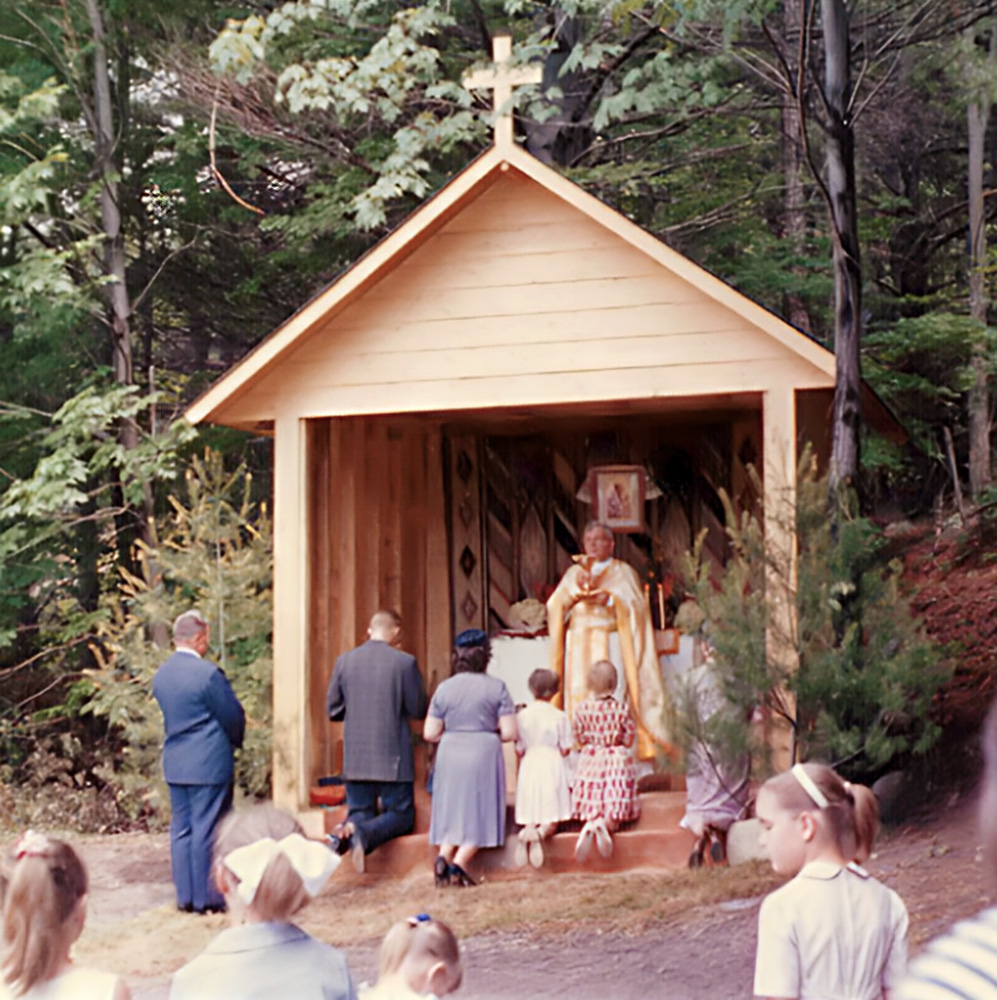
In August 1960, property owners gathered at Kobziarivka (at the nearby Xenia Resort) to explore that vision. The meeting led to the formation of an Exploratory Committee tasked with finding land, raising funds, and creating a temporary chapel. Within a month, Dr. Iwan Makarewycz generously donated two acres for the project. By late 1961, the effort had grown in scope and purpose, evolving from plans for a simple chapel into the resolve to build a full church. That same year, Dr. Makarewycz proposed a design inspired by the wooden churches of Ukraine’s Carpathian Mountains.
A temporary chapel was erected just east of the future church site, where the Grazhda now stands. Throughout the summer of 1961, Father Bohdan Osidach traveled weekly from Hudson to celebrate Divine Liturgy. To fund construction, Dr. Makarewycz introduced a simple but powerful idea: a Christmas card campaign. Led by his wife, Natalia, the cards reached Ukrainian communities across the United States and Canada, drawing both donations and solidarity.
Jaroslaw Paladij built a scale model of the church based on a sketch by young architect Titus Hewryk. Approved in early 1961, the design followed an age-old Ukrainian tradition—building from models rather than blueprints. While often described as Hutsul in style, the final structure reflects the older Boyko tradition, with its tripartite form of narthex, nave, and sanctuary. The distinction was subtle, but the result was a faithful expression of Carpathian wooden church architecture.
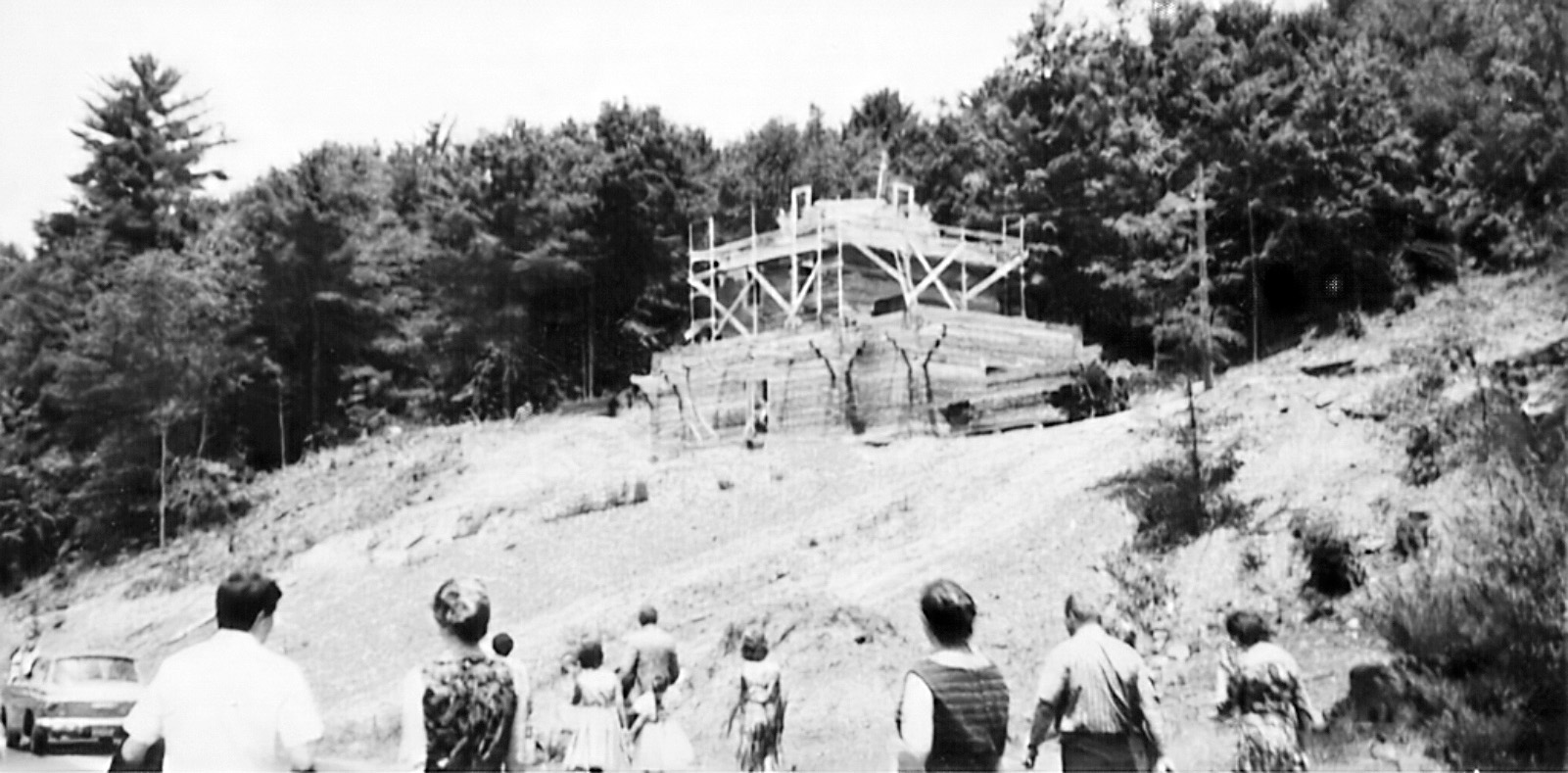
To secure permits, architect Ivan Zukovskyj translated the model into formal plans, adding modern structural elements. But master craftsman Yuri Kostiw, trained by Boyko church builders in Ukraine, believed traditional log construction was more than sufficient. Under his leadership, the church was built using time-honored methods, honoring centuries of Ukrainian woodworking knowledge.
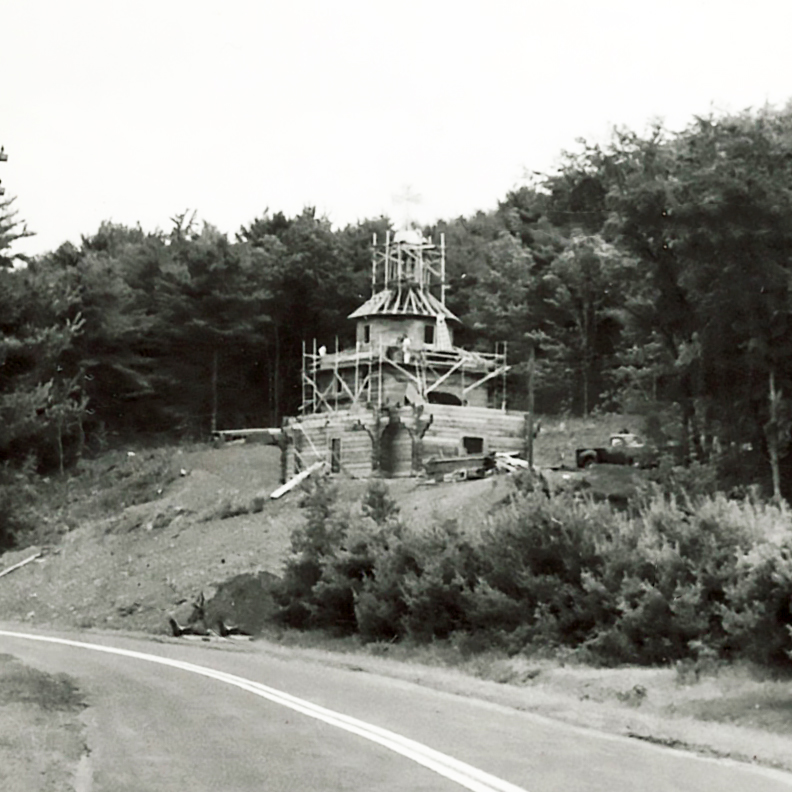
Construction united professionals and volunteers alike. Nearly one hundred volunteers arrived each weekend from New York City to work alongside skilled local builders. Businesses donated labor, equipment, and materials—some insisting their work be “given to God.” Massive cedar beams traveled from British Columbia to Montreal, then by rail to the Catskills, where they were hand-prepared through the winter. The church rose through generosity, faith, and shared purpose.
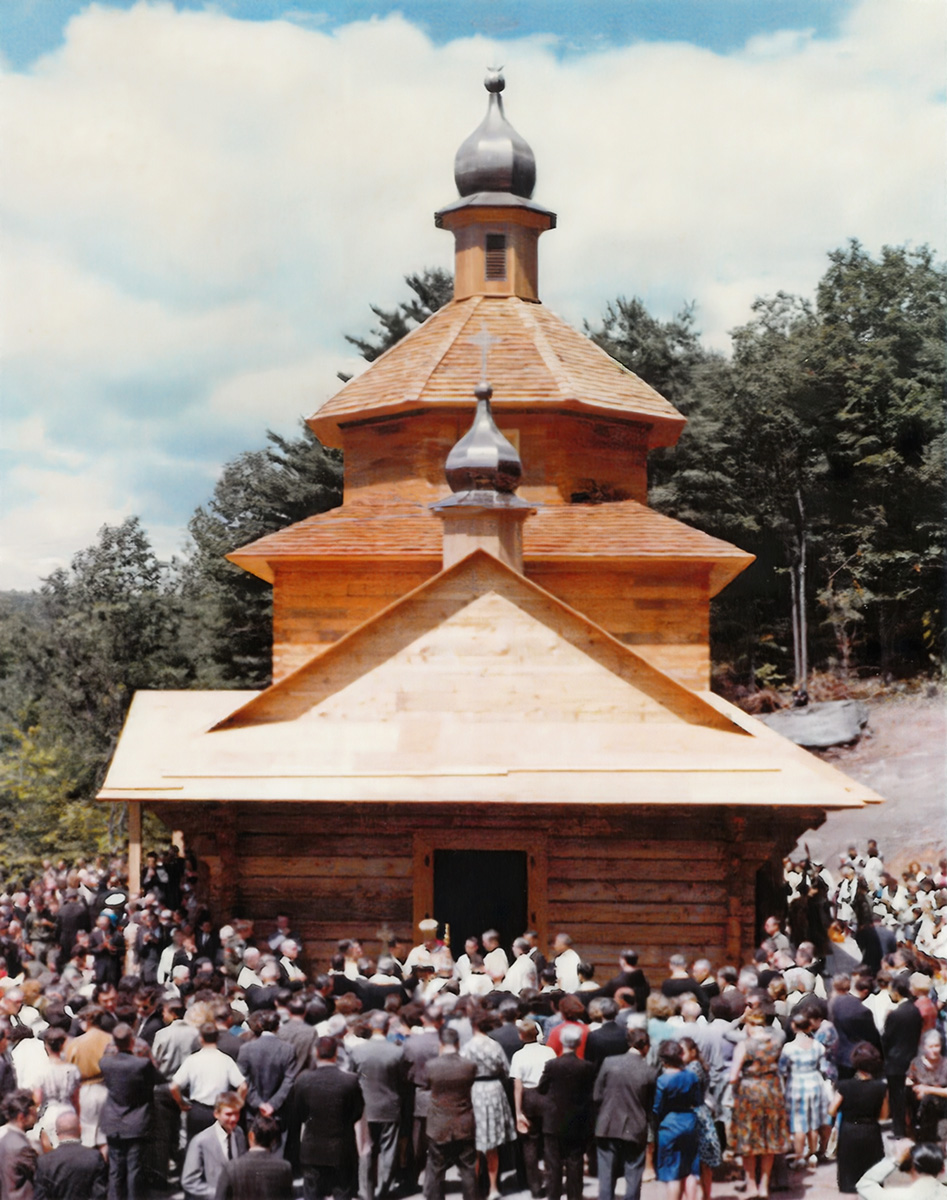
On August 18, 1962, under a bright summer sky, Bishop Joseph Schmondiuk consecrated the church before a gathered community of Hantertsi, neighbors, visitors, and Ukrainian organizations from across the region. The church was dedicated to Saint John the Baptist and proclaimed a shrine to those who fought for Ukraine’s freedom—a sacred link between faith and homeland.
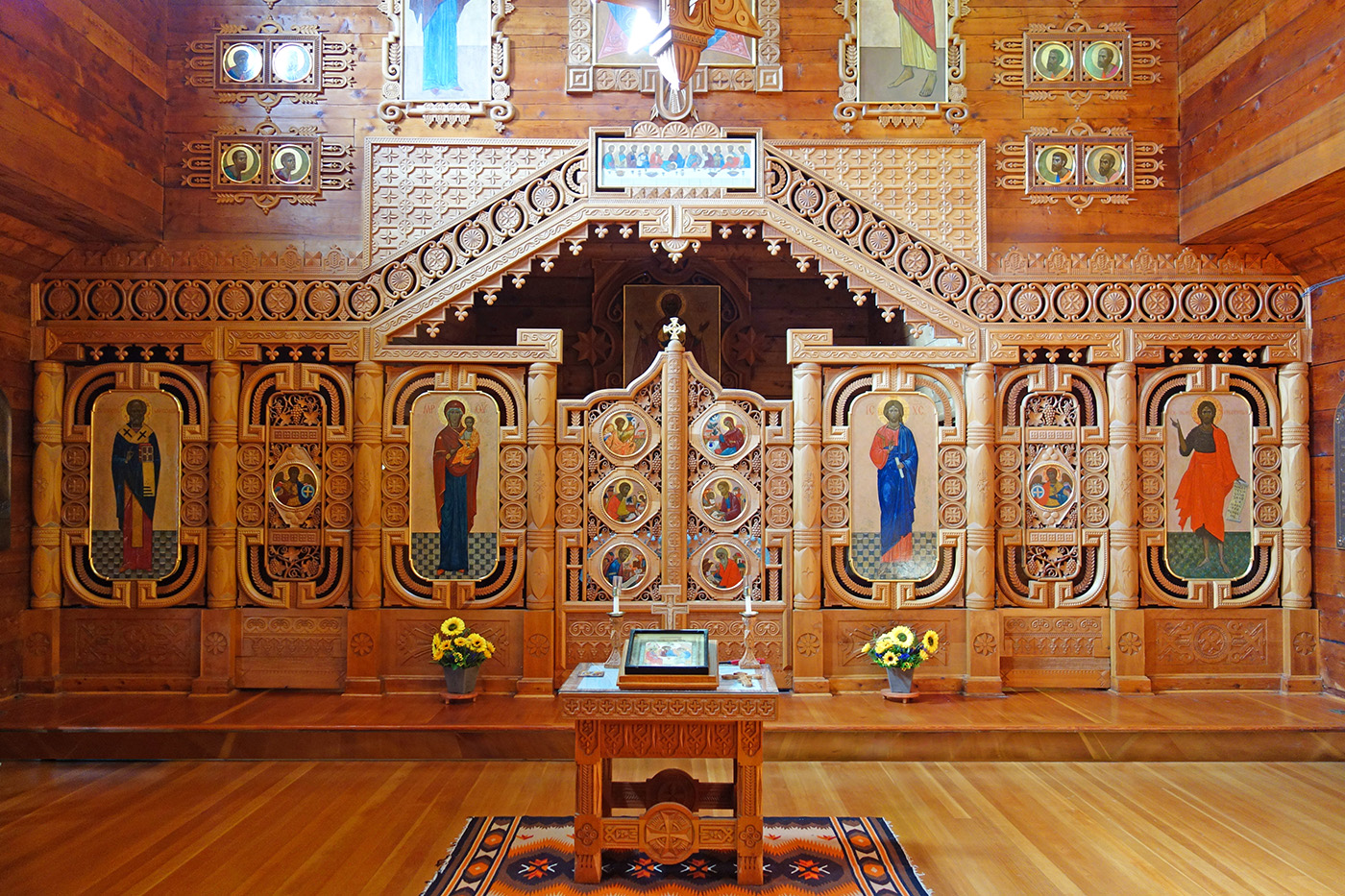
In the years that followed, renowned artists completed the church’s interior. Sculptor Mykhailo Chereshnowsky carved the iconostas and sacred furnishings, while Petro Cholodnyj the Younger painted icons he later called his finest work. Yuri Kostiw crafted every wooden detail. The iconostas was blessed in 1964.
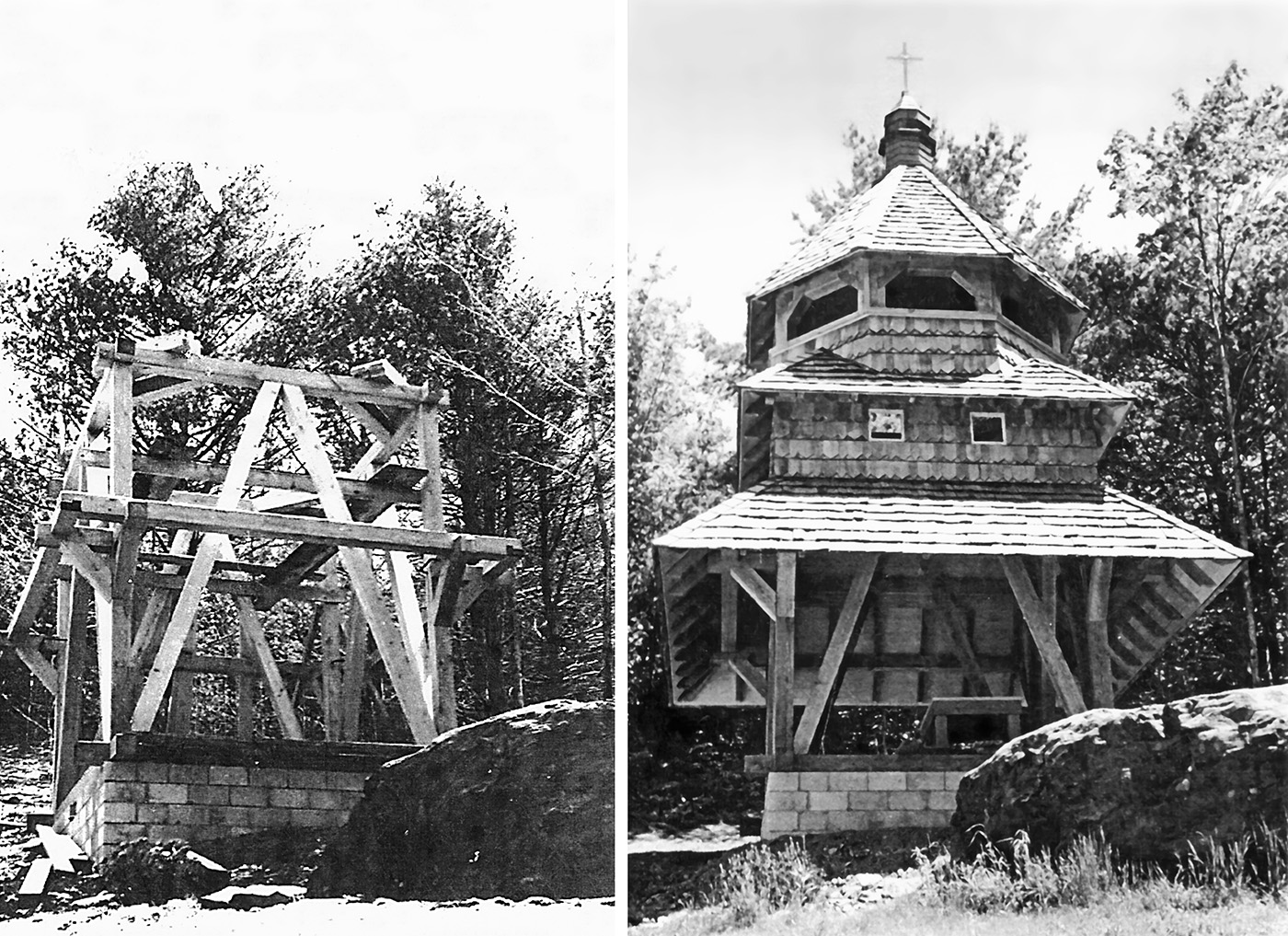
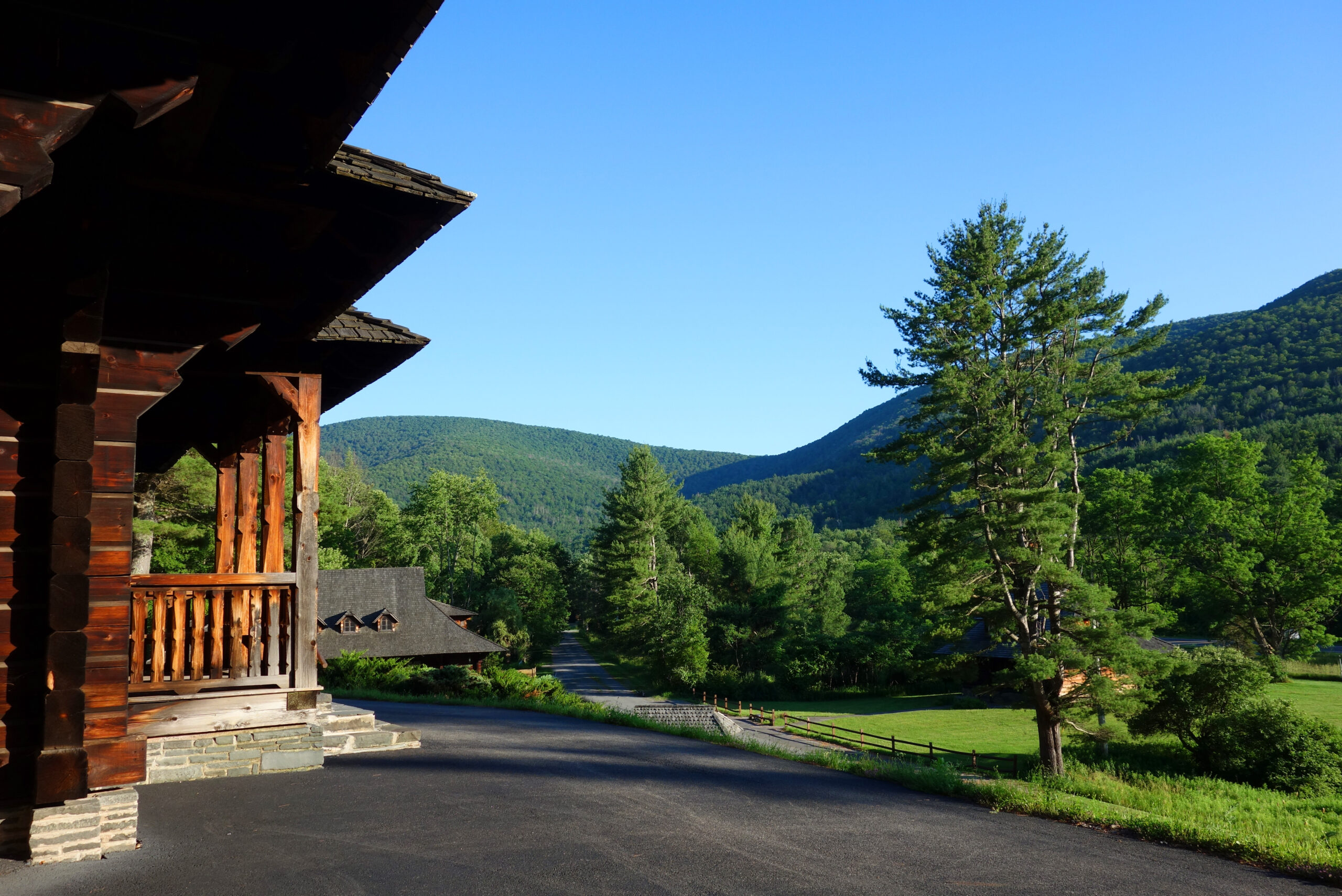
The Bell Tower (Dzvinytsya), was completed in 1966 and contains two bells from Italy and Holland. Built in a square form from Canadian cedar, the structure was crowned with an eight-sided pyramidal roof clad in hand-split cedar shingles, creating a visual harmony with the church’s architectural design.
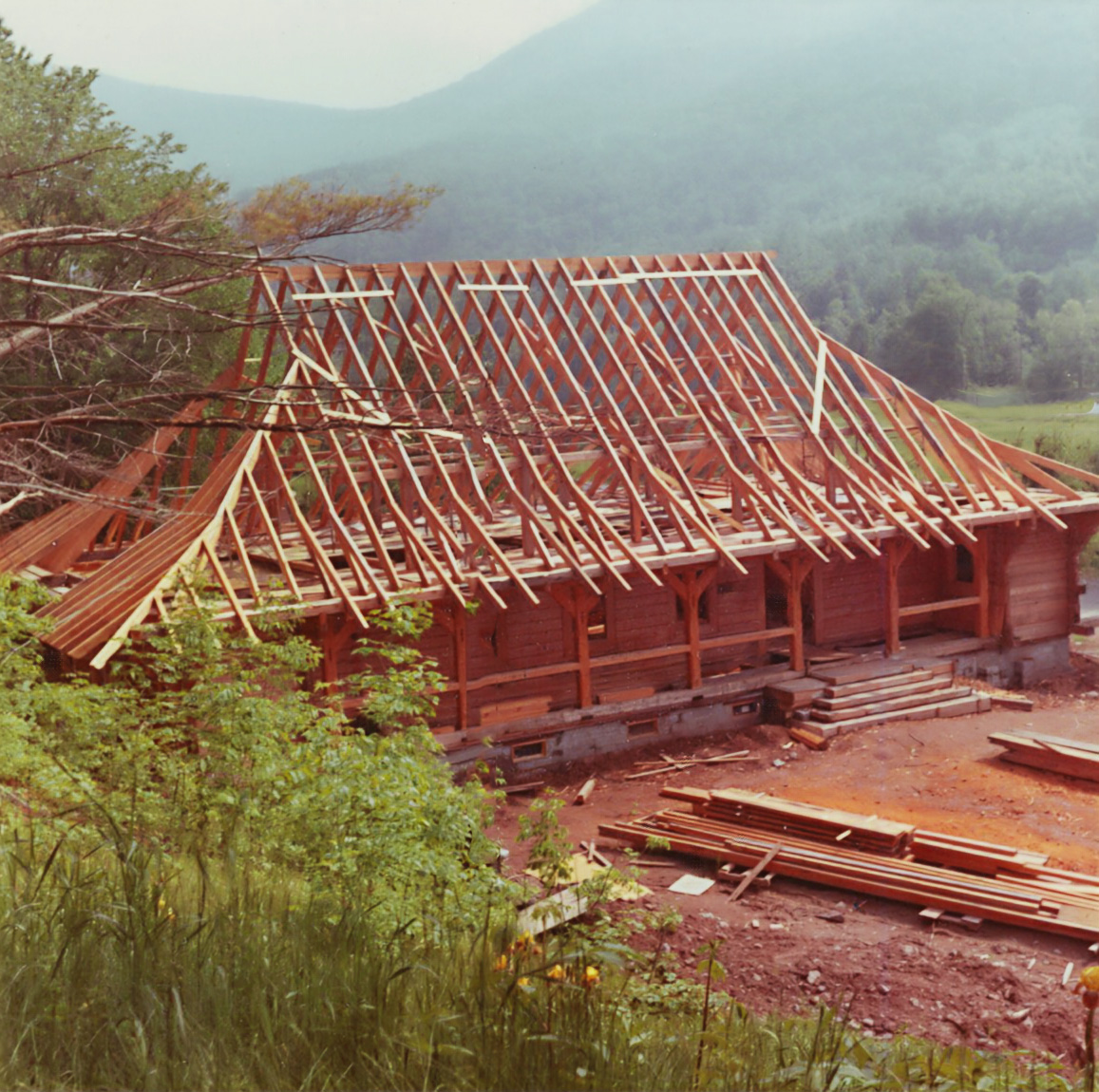
The Parish Center (the Grazhda) was officially opened in 1973, complementing the architectural style of the existing structures. The center was created to preserve and celebrate Ukrainian culture.
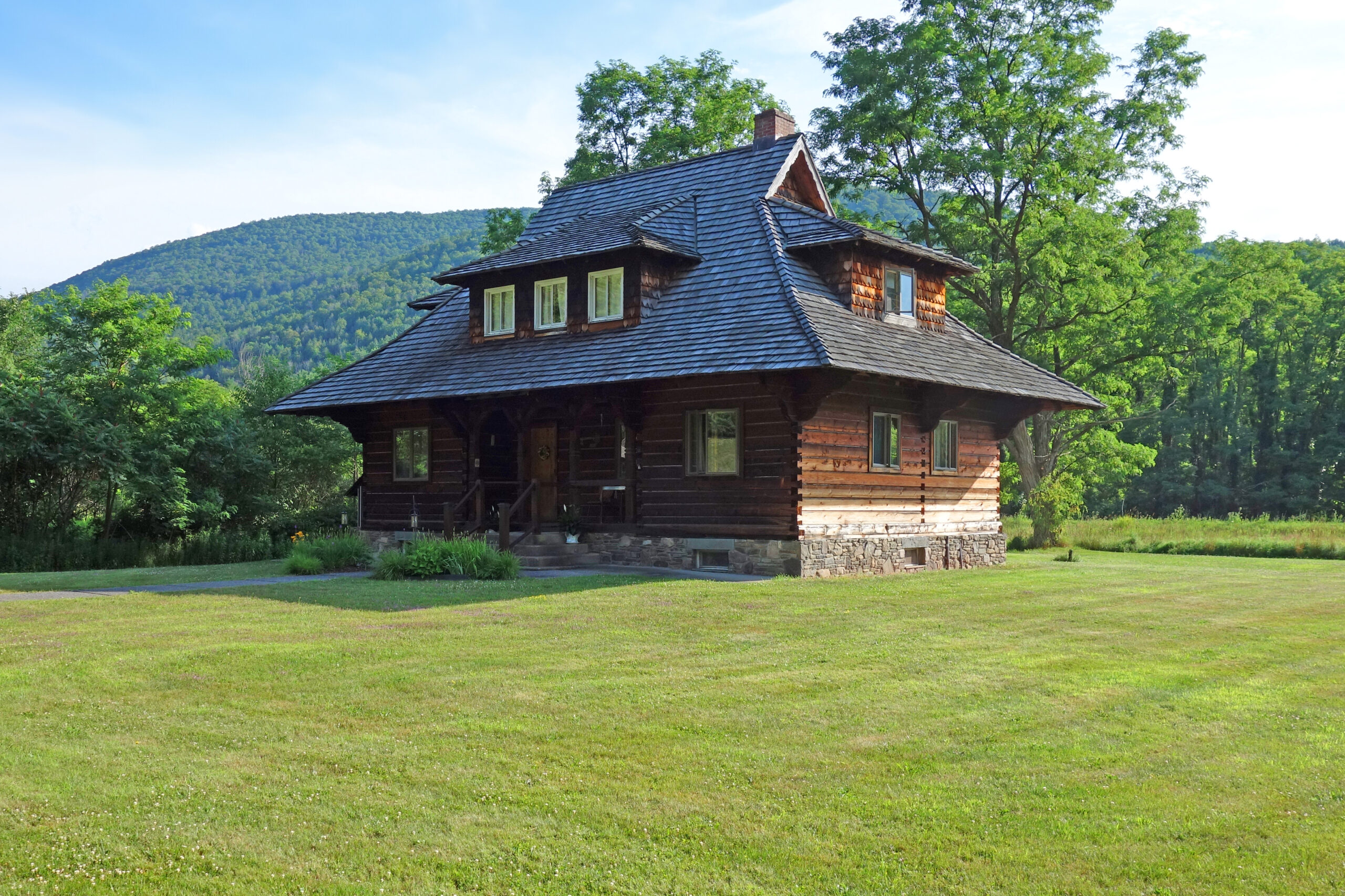
With the completion of the Parsonage (the Khyzha) in 1984, the original grand vision was finally made into reality. On summer Sundays and Holy Days, the church overflows and the Grazhda hums with life. United by faith and purpose, they sustain their community and entrust the Ukrainian Mountaintop to God’s blessing for generations to come.